


Azorean Beef Stew | Ultimate Molha do Pico Recipe
Get ready for the most incredible Molha do Pico you will ever taste! This Azorean beef stew delivers phenomenal flavors using beautifully simple ingredients. Whether you need pressure cooker Azorean beef stew Molha methods or Azorean beef stew clay pot alternatives, we have you covered. Make this authentic Molha do Pico slow cooker masterpiece tonight for a breathtakingly delicious Portuguese feast!
The Story of Azorean Beef Stew | Ultimate Molha do Pico Recipe
Molha do Pico is a cherished culinary tradition originating directly from the breathtaking Azorean island of Pico. This incredibly robust stew was historically prepared in unglazed clay pots left to simmer slowly over crackling open fires. Local home cooks relied heavily on this gentle cooking method to tenderize tougher cuts of beef while infusing them with deeply aromatic spices.
The true secret to this spectacular dish lies within its unique blend of warm spices like cumin, allspice, and fragrant cinnamon. Courageous Portuguese explorers originally brought these exotic ingredients back home from their legendary spice trade voyages across the globe. Today, these vibrant and historic flavors remain an absolute staple in Azorean kitchens, perfectly defining the regional gastronomy.
For a truly authentic and unforgettable dining experience, serve your rich beef stew alongside some thick slices of crusty Portuguese sweet bread. The soft interior of the bread acts as a perfect culinary sponge to soak up every drop of the deeply flavorful tomato and wine broth. You can also pair the incredibly tender meat with fluffy white rice or buttery roasted seasonal vegetables to create a balanced, complete meal.
A crisp, refreshing side salad dressed lightly with high-quality olive oil and red wine vinegar cuts beautifully through the decadent richness of the stewed beef. Alternatively, simple boiled potatoes make a wonderful traditional accompaniment that Azorean locals absolutely adore and serve frequently. Whatever delicious sides you ultimately choose, this wonderfully comforting meal will instantly transport your senses straight to the beautiful Azores archipelago.
Ingredients
Equipment:
Directions
- Toss the meat, garlic, paprika, 1 tablespoon (15 ml) olive oil, and salt and pepper to taste in a large bowl, combine well and let rest in the refrigerator for a couple of hours.
- Sauté the onions and other garlic cloves in a pan on medium heat with the rest of the olive oil until browned.
- Add the tomato paste and cook another minute or so, then add the wine, stir it well.
- Let it simmer for 5-10 minutes.
- Add the meat, potatoes and carrots to the pressure cooker.
- Add the onion, garlic, tomato and wine mixture on top, pour in the broth, add the bay leaf, cumin, and cinnamon stick and stir it all together.
- Close up the pressure cooker and cook on high heat for 30 minutes.
- Let it sit for 5 minutes. Serve while hot.
Recommended Drink Pairings:
Elevate this hearty stew with a robust Portuguese red wine like a bold Touriga Nacional or a rich Douro Valley Tinto, which beautifully complement the aromatic spices and tender beef. If you prefer white wine, a crisp Azorean Verdelho perfectly balances the savory richness. For a non-alcoholic option, a sparkling citrus water cleanses the palate wonderfully between bites.
Adapted from a Recipe by: easyportugueserecipes.com
Nutritional Facts (Per Serving)
You might also like

Gorete's yum caldo verde soup, uses spicy chouriço and collard greens with a potato base.
| Level of Difficulty | Easy |
| Servings | 8 |
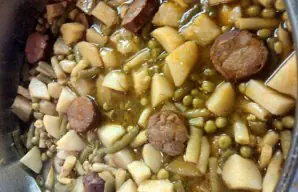
Gorete's chouriço and bean stew (guisado de chouriço e feijão), a quick and tasty dish.
| Level of Difficulty | Easy |
| Servings | 4 |
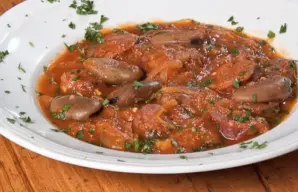
Slow-simmered fava beans stew with chouriço, a smoky, savory, and irresistibly rich warm hug in a...
| Level of Difficulty | Easy |
| Servings | 4 |
Comments (13)


Food got stuck and burnt
Sorry to hear that Carlos, I will update the recipe.
Yes, but sear the beef before hand then cook it in the crockpot with everything for 7 to 8 hours on low.
Molha de Pico.